The future of animation with AI is reshaping how creators bring stories to life. Artificial intelligence is revolutionizing the animation industry by automating tedious tasks, enabling faster production cycles, and democratizing creative tools that were once accessible only to major studios. From character design to motion capture, AI-powered solutions are transforming every aspect of the animation pipeline, promising a future where imagination is the only limit.
As technology continues to evolve at breakneck speed, the animation industry stands at a crossroads. Traditional animation methods, while still valued, are being complemented—and in some cases, challenged—by intelligent algorithms that can generate frames, predict movements, and even create entire sequences with minimal human intervention. This shift represents one of the most significant transformations in creative industries since the advent of digital animation itself.
How AI Is Revolutionizing Animation Production
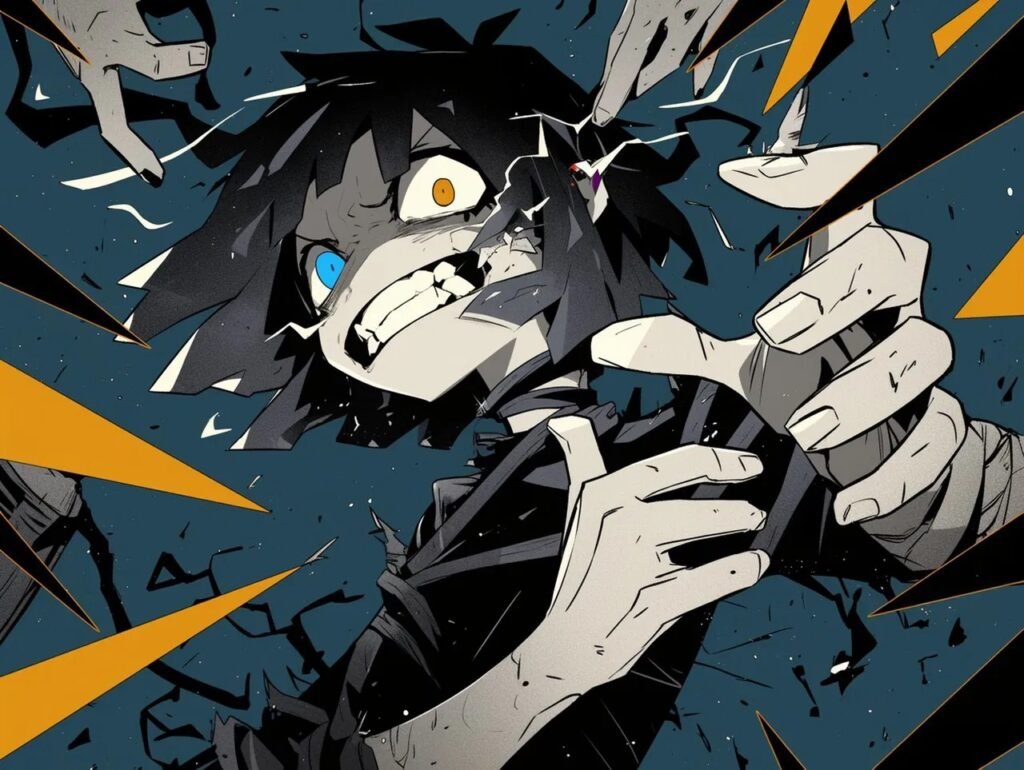
The integration of artificial intelligence into animation workflows is fundamentally changing how studios operate. Machine learning algorithms can now analyze vast libraries of animated footage to understand movement patterns, facial expressions, and character behaviors. This data-driven approach allows AI systems to generate realistic animations that would traditionally require weeks of manual work from skilled animators.
One of the most exciting applications is AI-powered in-betweening, where the algorithm automatically generates the frames between key poses drawn by an animator. This technique, borrowed from traditional animation, is being accelerated by neural networks that understand motion physics and can predict natural movement trajectories with remarkable accuracy.
Automating Labor-Intensive Tasks
Animation production is notoriously time-consuming. A single frame can take hours to render, and a typical feature film contains 144,000 frames. AI is dramatically reducing this burden by:
- Automating background rendering and environmental design
- Generating realistic lighting and shadow calculations in real-time
- Creating hair, cloth, and particle simulations with minimal artist input
- Speeding up color correction and post-production workflows
- Generating dialogue-synced lip movements automatically
This automation doesn’t eliminate animators—it liberates them. By handling repetitive technical work, AI frees creative professionals to focus on storytelling, character development, and artistic vision. Much like how understanding your potential requires channeling energy into what matters most, studios are learning to leverage AI for technical grunt work while preserving human creativity for high-impact decisions.
Enhancing Character Design and Development
Character design is experiencing a renaissance thanks to AI tools. Generative AI models can create hundreds of character variations based on initial sketches, helping designers explore the creative space faster. Tools powered by deep learning can also ensure consistency across thousands of frames, maintaining a character’s proportions and features even as they move through complex scenes.
Advanced systems can now predict how characters should move based on their physiology and personality traits. An AI trained on hundreds of hours of animation footage can understand that a heavy character moves differently from a light one, and that a timid character’s body language differs from a confident one.
The Future of Animation: AI-Driven Creativity
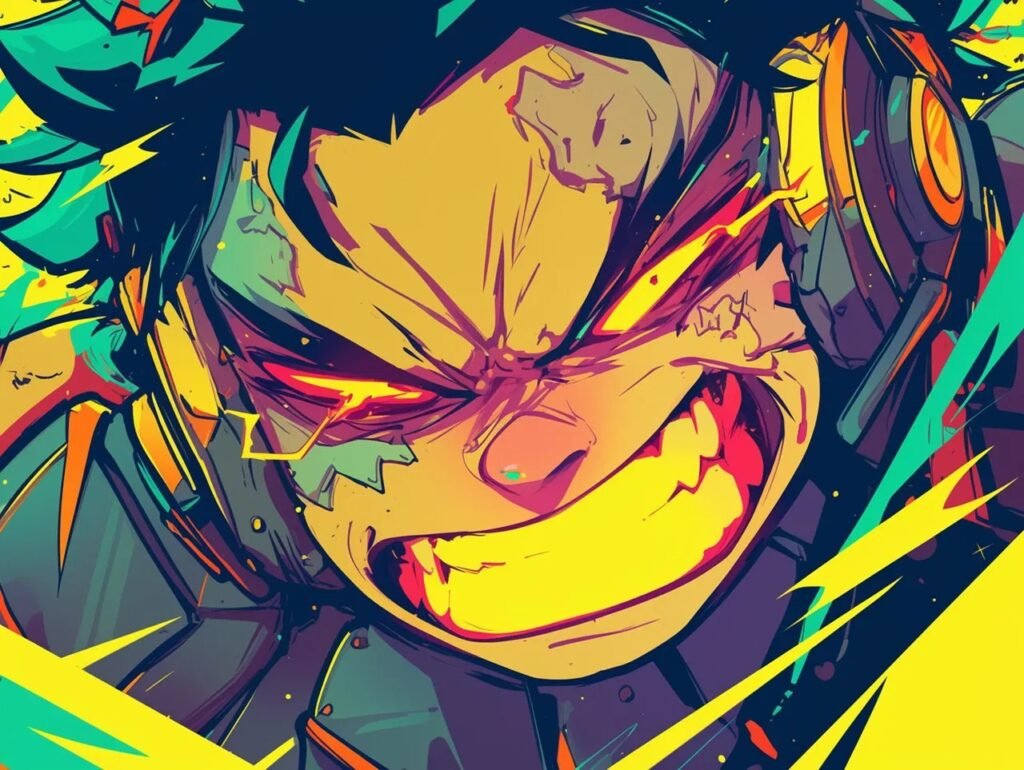
Looking ahead, the trajectory of AI in animation points toward even more transformative possibilities. Recent developments suggest we’re moving toward systems that can understand narrative context and automatically generate appropriate animations for given scenes.
Real-Time Animation Generation
One of the most promising frontiers is real-time animation generation. Imagine a director describing a scene verbally, and AI instantly generating a rough animated version for preview. This could revolutionize the pre-visualization process, allowing filmmakers to iterate rapidly without waiting for rendering times.
Machine learning models trained on cinematography principles could automatically suggest camera angles, pacing, and transition timing—essentially functioning as collaborative creative partners that help refine artistic vision rather than replace it.
Democratizing Animation for Creators Everywhere
Perhaps the most significant impact of AI will be its democratizing effect. Professional-grade animation tools have traditionally required expensive software licenses and years of training. AI is changing this landscape dramatically.
Independent creators and small studios can now access tools that rival those used by major production houses. A solo artist with a compelling story can create broadcast-quality animation using AI-assisted software, fundamentally shifting power dynamics in the creative economy. This mirrors how understanding financial literacy and resource access can level playing fields across industries.
Challenges and Ethical Considerations
While the potential is enormous, the integration of AI into animation raises important questions that the industry must address thoughtfully.
Preserving Artistic Authenticity
A critical concern is maintaining artistic integrity. Animation has always been about personal expression and unique visual styles. If AI systems are trained primarily on existing popular content, will generated animations become homogenized? How can creators ensure their unique voice isn’t diluted by algorithmic averaging?
Studios and developers are beginning to address this by creating AI tools that adapt to an artist’s personal style rather than imposing a generic algorithmic aesthetic.
Employment and Industry Transformation
The animation workforce faces legitimate concerns about job displacement. However, industry analysts suggest that rather than elimination, we’ll see a transformation of roles. Animators will increasingly become “animation directors” who guide and refine AI-generated content rather than creating every frame manually.
This shift requires investment in retraining and education, ensuring that existing professionals can transition to these new roles. The industry’s responsibility is to manage this transition ethically and equitably.
Copyright and Training Data
A thornier issue involves how AI models are trained. Many systems have been trained on copyrighted animation without explicit consent from creators or studios. This raises important questions about fair compensation, intellectual property rights, and the ethical use of creative work in training datasets.
“The future of animation won’t be determined by technology alone, but by how thoughtfully we integrate it into creative workflows while respecting artists, audiences, and storytelling traditions.”
Industry Leaders Embracing AI Animation
Major studios are already experimenting with AI-assisted production. Companies like Pixar and Disney are incorporating machine learning into their pipelines, while emerging studios are built entirely around AI-first workflows. These experiments are yielding fascinating results and valuable lessons about implementation.
Independent platforms are also flourishing, offering cloud-based AI animation tools that make professional-grade creation accessible to anyone with an internet connection. The democratization of animation technology is happening in real-time.
Key Takeaways: Preparing for an AI-Animated Future
- AI augments, not replaces: The most successful animation studios will view AI as a tool that enhances human creativity rather than a replacement for it.
- Skills will evolve: Animation professionals should focus on developing skills in AI tool management, creative direction, and storytelling—the uniquely human aspects of the craft.
- Ethical frameworks matter: Industry standards around copyright, fair compensation, and ethical AI use are essential for sustainable growth.
- Accessibility is transformative: As tools become more accessible, we’ll see an explosion of diverse voices and stories that weren’t possible before.
- Quality remains paramount: While AI accelerates production, the fundamental principle remains: compelling stories and authentic emotion will always be king.
Conclusion: A Collaborative Future
The future of animation with AI isn’t about machines replacing artists—it’s about creating a powerful symbiosis between human creativity and computational intelligence. AI handles the mechanical, repetitive aspects of animation production while artists focus on what makes storytelling compelling: emotion, meaning, and artistic vision.
As these technologies mature, we’ll likely see animation become more accessible, faster to produce, and richer in diversity. Small creators will have tools previously reserved for billion-dollar studios. Stories that never made it to screen due to production constraints will finally be told. The medium will evolve, but its core purpose—transporting audiences to new worlds and making them feel something profound—will remain unchanged.
The animation industry stands on the precipice of remarkable transformation. Those who embrace AI thoughtfully, with respect for both the technology and the artists wielding it, will lead the charge into this exciting new era. The question isn’t whether AI will change animation—it already is. The question is how wisely we’ll guide that change.