From the moment we first heard the twinkling notes of “When You Wish Upon a Star,” a spell was cast. It’s no exaggeration to say that Disney impacted a whole generation, shaping not just our childhood entertainment but our very understanding of storytelling, morality, and ambition. For millions growing up between the 1980s and early 2000s—often called the Disney Renaissance generation—the House of Mouse provided a shared cultural vocabulary. Whether we learned about love from Ariel, courage from Simba, or perseverance from Woody and Buzz, Disney’s animated universe became a second home. This blog post explores the profound, lasting influence of that magical era, and why its echoes still resonate in modern media and our personal lives today.
To truly understand the scope of this influence, we need to examine the key pillars that made Disney a generational force: its revolutionary animation techniques, its complex emotional narratives, and its role in teaching values that stuck with us into adulthood. Interestingly, the same psychological patterns that made us identify with a lion cub or a mermaid also appear in how we process modern anxieties—a topic explored in depth in our article Why Your Potential Is Keeping You Stuck, which dissects how early conditioning (even from media) can shape our self-perception. But first, let’s rewind to the moment the magic truly exploded.
The Disney Renaissance: A Cultural Tsunami
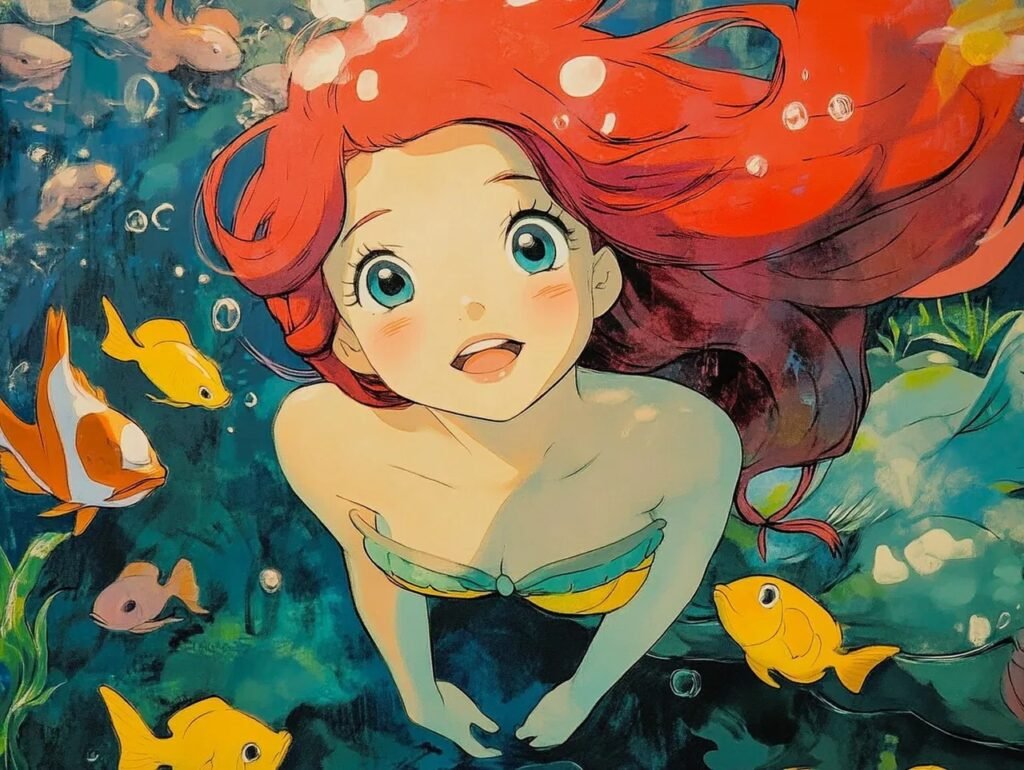
The period from 1989 to 1999, known as the Disney Renaissance, was the golden age that cemented the studio’s grip on a generation. Starting with The Little Mermaid and culminating with Tarzan, this era produced a string of box-office juggernauts and critical darlings. For those of us who grew up in VHS aisles, these films weren’t just movies; they were events. The music of Howard Ashman, Alan Menken, and later Elton John became the soundtrack of our childhoods.
These films revived the musical-animation format and introduced a new standard of visual storytelling. They taught a generation that it was okay to dream big, to be different, and to fight for what you love. However, as we moved into the late 90s and 2000s, the landscape began to shift. The rise of CGI from competitors like DreamWorks (with Shrek in 2001) and Pixar’s own evolution began to challenge the traditional hand-drawn aesthetic. The lessons learned from this transition are remarkably similar to the challenges facing animators today, as discussed in our piece on The Future of animation with the advent of AI.
The Psychology of an Animated Childhood
How Disney impacted a whole generation Through Emotional Intelligence
Perhaps the most enduring aspect of the Disney effect is how it taught us—often for the first time—about complex emotions. Death was no longer an abstract concept; it was Mufasa falling into a gorge. Betrayal was Ursula’s sly contract. Sacrifice was a wooden puppet turning into a real boy. These stories didn’t just entertain; they provided a safe framework for processing deep feelings.
Psychologists have noted that Disney narratives often function as modern morality plays. They introduce binary concepts of good vs. evil, but within a context that evolves as the viewer ages. For a 5-year-old, the message might be about listening to parents. For a 15-year-old, the same scene in The Lion King might speak to the struggle of finding one’s identity after loss. This multi-layered approach is one of the key reasons the magic sticks. This generational imprinting is similar to the cohesive but distinct traits observed in other generational cohorts. For a deeper dive into how early influences shape group behavior, read our analysis on the Psychology of Gen X ers.
The Creation of Shared Experiences
Before the internet connected us instantly, Disney movies served as a collective touchstone. You could walk into any schoolyard in America (or much of the world) and sing “Hakuna Matata” and be immediately understood. This shared lexicon created a bond. We quoted the Genie, we argued over who was the best Disney princess, and we cried together at Bambi’s mother. This universality is a rare thing in modern fragmented media landscapes, and it explains why Disney continues to mine nostalgia so effectively.
“Disneyland will never be completed. It will continue to grow as long as there is imagination left in the world.” – Walt Disney
This shared experience also extended to the theme parks, video games, and merchandise, creating a 360-degree ecosystem. The act of wearing a Pocahontas costume or collecting 101 Dalmatians stickers was a way of declaring membership in this tribe. It was a status symbol of cultural literacy.
The Uncomfortable Lessons: Critiques and Corrections
Of course, a balanced look at how Disney impacted a whole generation must also address the critiques. For years, scholars and viewers pointed out problems with racial stereotyping (e.g., the Siamese cats in Lady and the Tramp, the crows in Dumbo), unrealistic body images (those tiny waists!), and the often passive roles of female characters in early films. This analysis forced a cultural reckoning that the generation that grew up on these films is now navigating with their own children.
The good news is that the studio has shown a capacity for growth. Modern films like Moana, Encanto, and Frozen actively subvert old tropes, presenting princesses who are leaders, flawed siblings, and complex communities. This evolution shows that the core Disney magic—the ability to teach through story—can adapt. The generation that was shaped by Disney is now the one reshaping its legacy. This process of unlearning and relearning is a theme also explored in the article The Curse of Potential, which discusses how early narratives can sometimes limit us if we don’t question them.
Economic Impact: The Dream Factory’s Bottom Line
Beyond the screen, the financial influence of the company on that generation is staggering. Disney didn’t just sell movies; it sold a lifestyle. From the value of collecting VHS tapes to the premium price of a Disneyland ticket, the brand trained an entire generation to see magic as a purchasable commodity. This economic imprint is significant because it changed how we view brand loyalty and nostalgia marketing.
The acquisition of Pixar, Marvel, Lucasfilm, and 21st Century Fox has created a media behemoth that leverages our childhood nostalgia to drive billions in revenue. The generation that watched The Little Mermaid in theaters is now buying Disney+ subscriptions for their kids. This cycle of nostalgia is financially brilliant and psychologically potent. It also means that the Disney values—perseverance, family, believing in yourself—are constantly being reinforced in new formats, ensuring that the impact spans generations without fading.
For a more global perspective on how media shapes financial habits and worldviews, consider reading What Rich Kids Learn About Money (That Schools Hide From You), which contrasts the lessons from corporate media with real-world economic education.
Conclusion: The Magic That Never Fades
So, how Disney impacted a whole generation is a story of profound cultural engineering. It provided a universal language of emotion, a set of ethical guidelines, and a shared dreamscape that bridged geographic and socioeconomic divides. It was not without its flaws, and a mature understanding of those flaws only deepens our appreciation for the evolution of the storytelling. Whether you are a Millennial who remembers the scratchy feeling of a rented VHS tape or a Gen Z viewer discovering the classics on streaming, the core thesis remains: Disney taught us to believe in the impossible.
As we move forward into an era of AI-generated animation and fragmented entertainment, the simple power of a well-told story remains the most potent force in media. The Renaissance generation now holds the creative and consumer reins, and the stories we choose to tell—and to pass down—will define the next chapter. The magic lives on, not just in the movies, but in the people who grew up believing that a dream is a wish your heart makes.
Further Reading: For a scholarly take on the psychological effects of Disney media, you can explore resources like the American Psychological Association’s analysis of animated films.