From the earliest cave paintings to modern digital masterpieces, humanity has always had an undeniable urge to create. But beyond mere decoration or entertainment, have you ever paused to consider what art does for the soul? In a world increasingly dominated by speed, productivity, and digital noise, engaging with art—whether as a creator or an observer—acts as a vital sanctuary for our inner selves.
The Healing Touch: What Art Does for the Soul
Art acts as a mirror to our subconscious. Often, we carry emotions, stresses, and unspoken thoughts that are too complex to put into words. This is where artistic expression steps in. By channeling these abstract feelings into color, sound, or form, we externalize our internal struggles, allowing us to process them in a safe space.
When you paint, sculpt, or write, you are not just making something beautiful; you are engaging in a form of self-reflection. If you have ever felt creatively blocked or unable to move forward in life, you might recognize how stagnancy hurts our well-being. Much like discovering how the curse of potential can keep us stuck, failing to express our inner creativity can lead to a sense of unfulfillment.
“Art washes away from the soul the dust of everyday life.” — Pablo Picasso
Science-Backed Benefits of Creative Engagement
The impact of art on the human psyche is not just spiritual; it is deeply physiological. Scientific studies have shown that engaging with art reduces cortisol levels, the primary hormone associated with stress. Whether you are actively painting or simply walking through a museum, your brain undergoes remarkable positive changes.
According to a comprehensive health report compiled by the World Health Organization, participating in arts-based activities offers significant support in managing mental health, encouraging social cohesion, and promoting cognitive longevity. The brain releases dopamine, the “feel-good” neurotransmitter, when we experience aesthetic beauty, providing an instant boost to our emotional resilience.
- Reduces Anxiety: Creating art activates the parasympathetic nervous system, lowering heart rate.
- Boosts Neuroplasticity: Trying new creative mediums builds new neural pathways.
- Improves Mindfulness: Art forces us into the present moment, similar to deep meditation.
The Changing Face of Art in the Digital Age
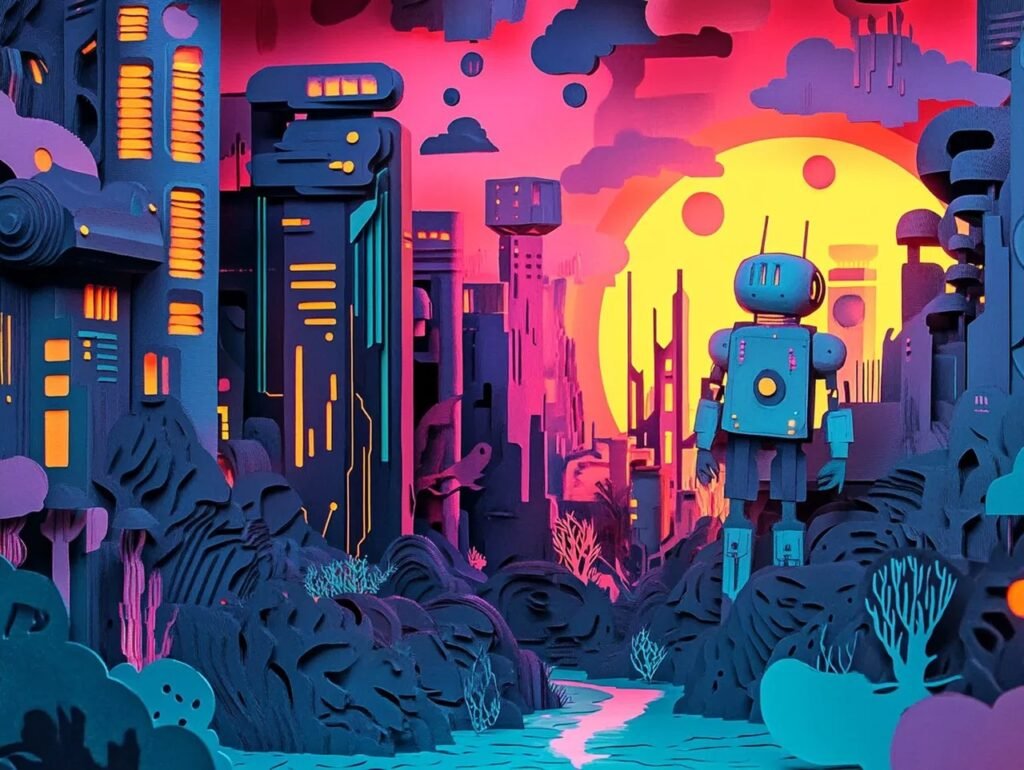
As humanity evolves, so do the mediums through which we express ourselves. We are no longer limited to oils, clays, or physical canvases. Today, digital landscapes are expanding what it means to create. From virtual reality installations to complex digital rendering, the core purpose of art remains unchanged: to touch the human spirit.
This intersection of humanity and technology is opening exciting new doors. For instance, exploring the future of animation with the advent of AI highlights how our concept of creativity is expanding. While tools may change, the soul of art—the human intent and emotional resonance—remains irreplaceable.
How to Reconnect with Your Creative Soul
You do not need to be a professional artist to experience the profound benefits of art. Reconnecting with your creative side is simpler than you think. Try implementing these small habits in your weekly routine:
- Keep a scribble journal: Spend five minutes a day doodling without judging the outcome.
- Visit local galleries: Expose yourself to different visual textures and color palettes.
- Engage with diverse mediums: Try digital painting, pottery, or photography to see what resonates.
Conclusion: Cultivating Your Inner Canvas
Ultimately, what art does for the soul is remind us of our shared humanity. It gives voice to our quietest sorrows, celebrates our greatest joys, and offers a quiet space for healing in a noisy world. By opening ourselves up to art, we nourish our minds, enrich our spirits, and reconnect with the profound beauty of being alive.