If you’ve noticed that weed stops getting you high the way it used to, you’re not imagining things—and you’re definitely not alone. That familiar euphoria, the giggles, the creative rush, the deep relaxation: at some point, many regular users find that the same amount of cannabis just doesn’t deliver the same experience. Instead of a satisfying buzz, you’re left chasing a feeling that keeps slipping further away. So what’s actually happening in your body and brain, and more importantly, what can you do about it?
In this post, we’ll break down the science behind cannabis tolerance, explore why your favorite strain feels weaker over time, and walk through practical, realistic steps to reset your relationship with weed—whether you want to feel the effects again or step back entirely.
Why Weed Stops Getting You High
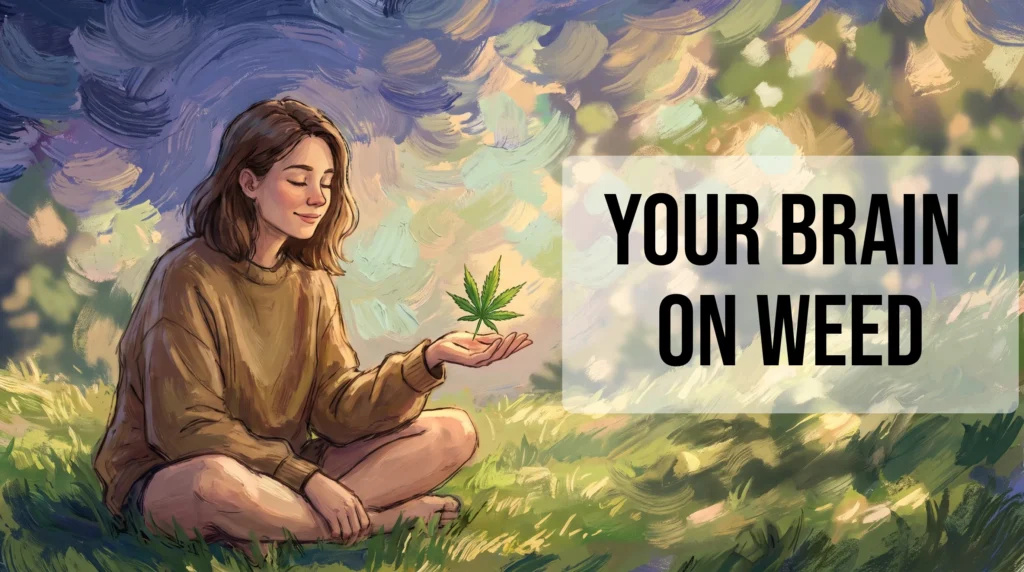
The short answer is tolerance. When you consume cannabis regularly, your brain adapts. The primary psychoactive compound in cannabis, THC, binds to specialized receptors in your brain called CB1 receptors, which are part of the body’s endocannabinoid system. This system helps regulate mood, appetite, memory, and pleasure.
When THC floods these receptors day after day, your brain responds by reducing the number of available receptors—a process called downregulation. Fewer receptors mean THC has fewer places to bind, so the same dose produces a weaker high. Your body is essentially trying to restore balance in the face of constant stimulation.
Signs You’ve Built Up a Tolerance
- You need noticeably more to feel anything at all
- The “peak” feeling is muted or gone entirely
- Effects wear off faster than they used to
- You feel functional rather than genuinely high
- You’re smoking more out of habit than enjoyment
If several of these sound familiar, your receptors are likely maxed out. The good news? This is reversible.

The Real Cost of Chasing the High
When the high fades, most people do the intuitive thing: they use more. But increasing your consumption to keep up with a rising tolerance is a losing game. It’s more expensive, it can deepen dependence, and it may amplify unwanted side effects like brain fog, anxiety, and low motivation.
Chasing a diminishing high often means you’re no longer using cannabis to feel good—you’re using it to feel normal.
This shift from enjoyment to maintenance is subtle but significant. It’s also worth considering the long-term picture. Ongoing heavy use has been linked to cognitive effects, and researchers continue to study the relationship between chronic inflammation and mental clarity—a topic explored in this deep dive on neuroinflammation and cognitive decline.
How to Reset Your Tolerance
The most effective way to feel the effects of cannabis again is to take a break, often called a tolerance break or “T-break.” This gives your CB1 receptors time to return to baseline.
How Long Should a Tolerance Break Last?
- 48 hours: Receptors begin to recover almost immediately after you stop.
- 1 week: Noticeable improvement in sensitivity for lighter users.
- 2–4 weeks: Research suggests CB1 receptor density can substantially return toward normal within about three to four weeks.
For most regular users, a two-to-four week break offers the biggest reset. When you return, you’ll likely find that a much smaller amount produces the effects you’d been missing.
Tips to Make the Break Easier
- Remove cannabis and paraphernalia from easy reach
- Replace the ritual with a new habit—exercise, tea, reading
- Stay hydrated and prioritize sleep, since dreams may return vividly
- Lean on friends or a supportive community for accountability
- Track how your mood, focus, and energy shift day by day
When It’s About More Than Tolerance
Sometimes the fading high is a signal worth listening to. If you find yourself reaching for weed to avoid boredom, numb stress, or fill a void, the issue may run deeper than receptor chemistry. Cannabis can quietly become a way to sidestep discomfort—and even a way to avoid pursuing your own goals.
It’s a pattern that shows up in many areas of life. If you feel stuck in a loop of “someday” without ever taking action, you might relate to this reflection on why your potential is keeping you stuck. Understanding the emotional role a substance plays is often the first step toward genuine change.
Reduce, Reset, or Reconsider
You have options, and none of them require an all-or-nothing mindset:
- Reduce: Use less frequently and switch to lower-THC products.
- Reset: Take a structured tolerance break, then return with intention.
- Reconsider: Use this moment to ask whether cannabis is still adding value to your life.
Practical Ways to Slow Tolerance in the Future
Once you’ve reset, a few mindful habits can help you keep tolerance low so weed keeps working the way you want:
- Space out sessions instead of using daily
- Use the lowest effective dose rather than the maximum
- Rotate strains and cannabinoid profiles occasionally
- Reserve cannabis for specific occasions, not constant background use
- Schedule regular mini-breaks before tolerance climbs again
Conclusion: A Fading High Is an Invitation
When weed stops getting you high, it’s not a failure—it’s feedback. Your body is telling you it has adapted, and that gives you a clear opportunity to change course. Whether you choose a tolerance break, a lighter routine, or a full reassessment of your relationship with cannabis, the power to reset is entirely in your hands.
So the next time you’re staring at that joint wondering “now what?”, remember: the answer isn’t necessarily more. Sometimes the most rewarding move is to step back, let your body recalibrate, and rediscover why you started in the first place.